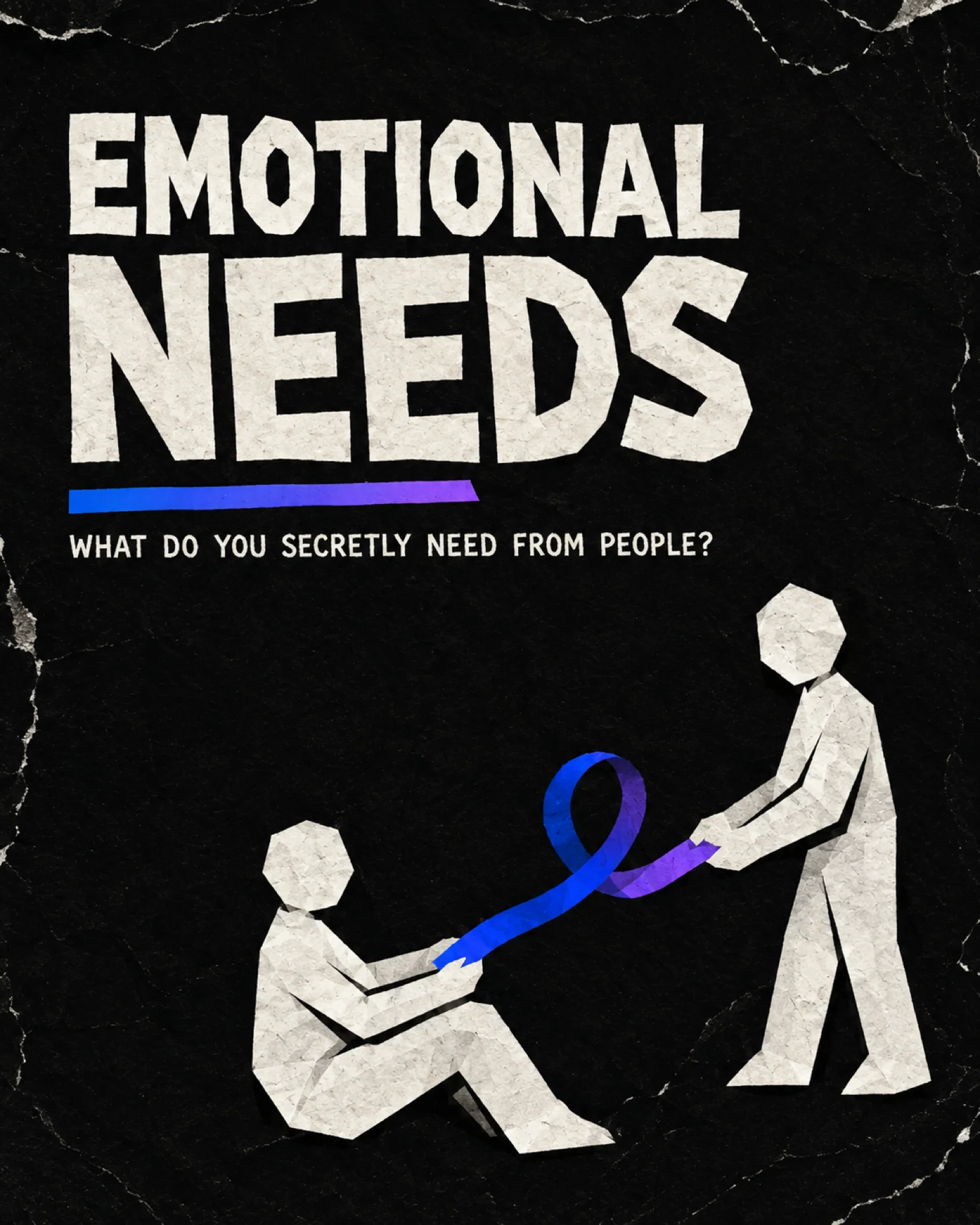
You can want to be alone and still feel lonely
Wanting time alone to rest and feeling lonely are not contradictions. When stimulation and relationship demands have built up, time by yourself may be necessary. At the same time, an unwanted sense of disconnection—or the feeling that no one understands you—can remain as loneliness. Social isolation describes having little contact, while loneliness is the gap between the relationships someone wants and the relationships they actually have.
Chosen solitude versus unwanted disconnection
Solitude can be restorative when it is chosen and within your control. But if you avoid contact and still feel low, or feel disconnected even while surrounded by people, it may help to look at the quality of your relationships and your sense of choice rather than their quantity. Try writing down whether your wish to be alone comes from a need for rest, conflict avoidance, or depleted energy.
How to protect both alone time and connection
- Treat alone time as rest with a return point, rather than disappearing. For example: “I’ll rest tonight and check in with a friend tomorrow.”
- Choose connection quality over contact volume. Even a brief message to one person who feels safe can help: “My replies may be slow today, but I still want to hear how you are.”
- Notice when loneliness tends to rise. If it appears at particular times—at night, after social media, or once a busy day ends—you can make your response more specific.
- Ask for the response you need in a relationship. Say whether you need advice, empathy, or an activity to do together.
When it may be time to check in more closely
If time alone no longer feels enjoyable, or if loneliness, low mood, or changes in sleep persist and significantly affect daily life, consider speaking with a medical or mental health professional rather than trying to manage it alone. This article is not a substitute for diagnosis or treatment.
The emotional needs test can be a starting point for identifying the kind of support you want in relationships.