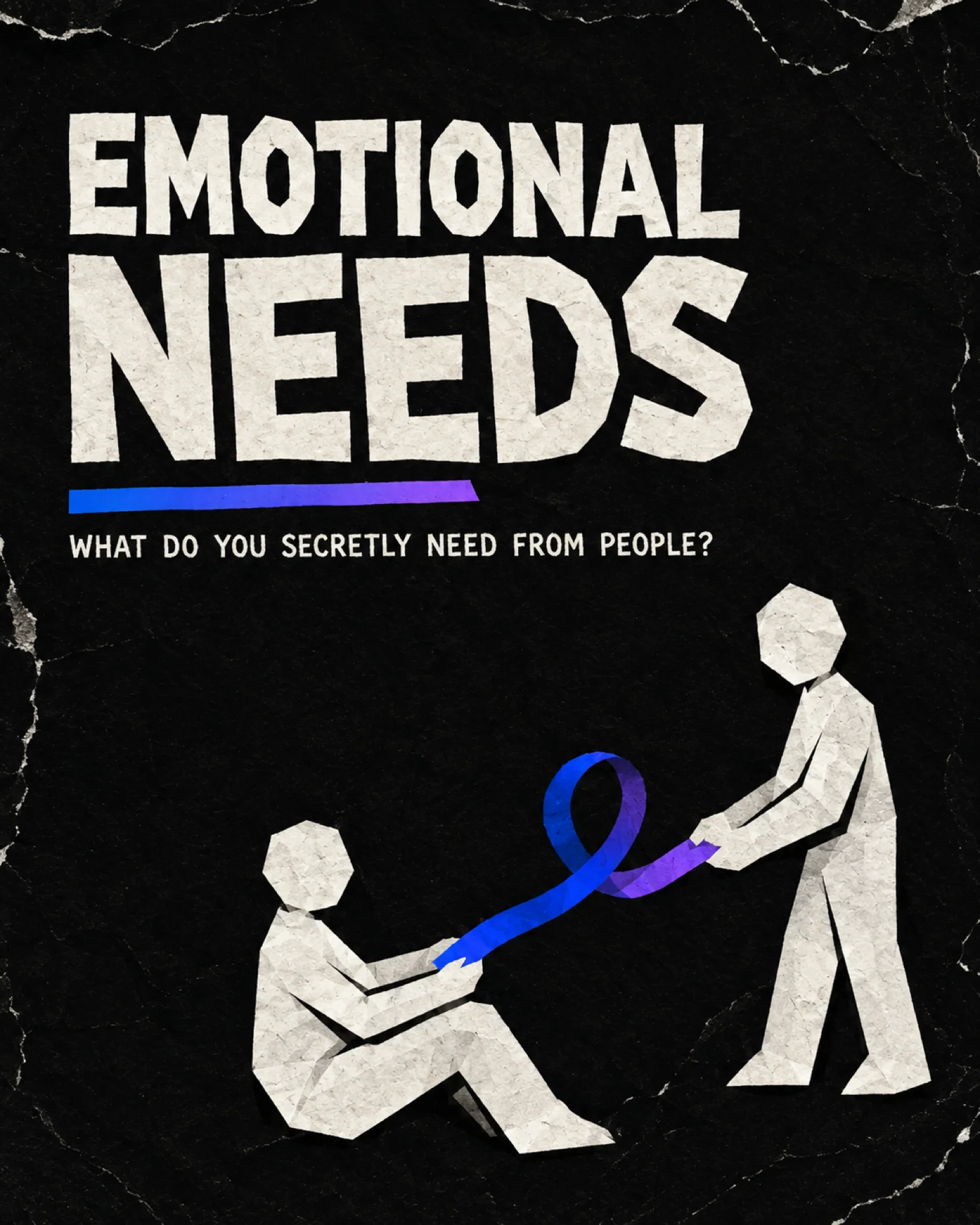
Why ‘It’s Not a Big Deal’ Can Linger
When you work up the courage to share a concern and a friend replies, ‘Everyone goes through that’ or ‘Try not to overthink it,’ the way your feelings were handled can hurt more than the problem itself. That response does not necessarily mean your friend does not care about you. They may want to fix things quickly, or may not know how to sit with an uncomfortable feeling and reach for advice first.
Relationship research describes the experience of feeling understood, emotionally affirmed, and cared for by another person as responsiveness. More than a perfect solution, what can matter is a signal that accurately receives your experience—such as, ‘That sounds like it was really hard for you.’ That is why advice can still leave you feeling empty.
Sort Out What the Hurt Is Pointing To
Before starting the conversation, choose what you were hoping for.
- Understanding: ‘I wanted you to understand why it was hard for me first.’
- Emotional support: ‘I wanted you to feel upset with me before offering advice.’
- Practical help: ‘I wanted us to sort out what I could do next.’
When these needs are bundled together, it can be hard for the other person to know what to do. Turning a broad request such as ‘Be on my side’ into ‘Could you listen for ten minutes today without trying to solve it?’ gives them something much more actionable. Research also suggests that social support may be more helpful when its type matches what the recipient wants.
Ask for the Response You Need Instead of Testing the Relationship
Pulling away or going quiet to see whether your friend notices can leave them without the reason. Try saying it briefly in this order.
- Situation: ‘Yesterday, when I was telling you about it, you said, “It’s not a big deal.”’
- Impact: ‘I felt hurt because it seemed as though my worry was being treated as small.’
- Request: ‘Next time, could you say something like, “That must have been really hard,” before offering a solution?’
Separating the situation, impact, and request—instead of judging the person (‘You never empathize’)—can reduce defensiveness. Your friend also has room to explain: ‘I thought advice would help.’ The aim is not to decide who is right; it is to agree on the kind of response each of you wants next time.
What to Check If It Keeps Happening
One awkward reply may reflect a difference in communication styles. But if someone mocks you whenever you share something vulnerable, passes your private weaknesses on to others, or keeps putting you down after you have made a clear request, it may be worth reassessing how safe the relationship feels. You also do not have to bring the same depth of concern to every friend. The person who is great for light everyday time may not be the person for deeper conversations.
If you are unsure what kind of emotional support you need right now, the Emotional Needs Test can help you put it into words. It is not a tool for diagnosing a relationship; use it as a starting point for making your request clearer.
One Sentence to Remember
Having your concerns brushed off is not evidence that you are too sensitive. It may signal that the kind of support you wanted was not communicated, or that your friend’s response style did not match it. Saying specifically what response you want is a more accurate way to test the relationship.