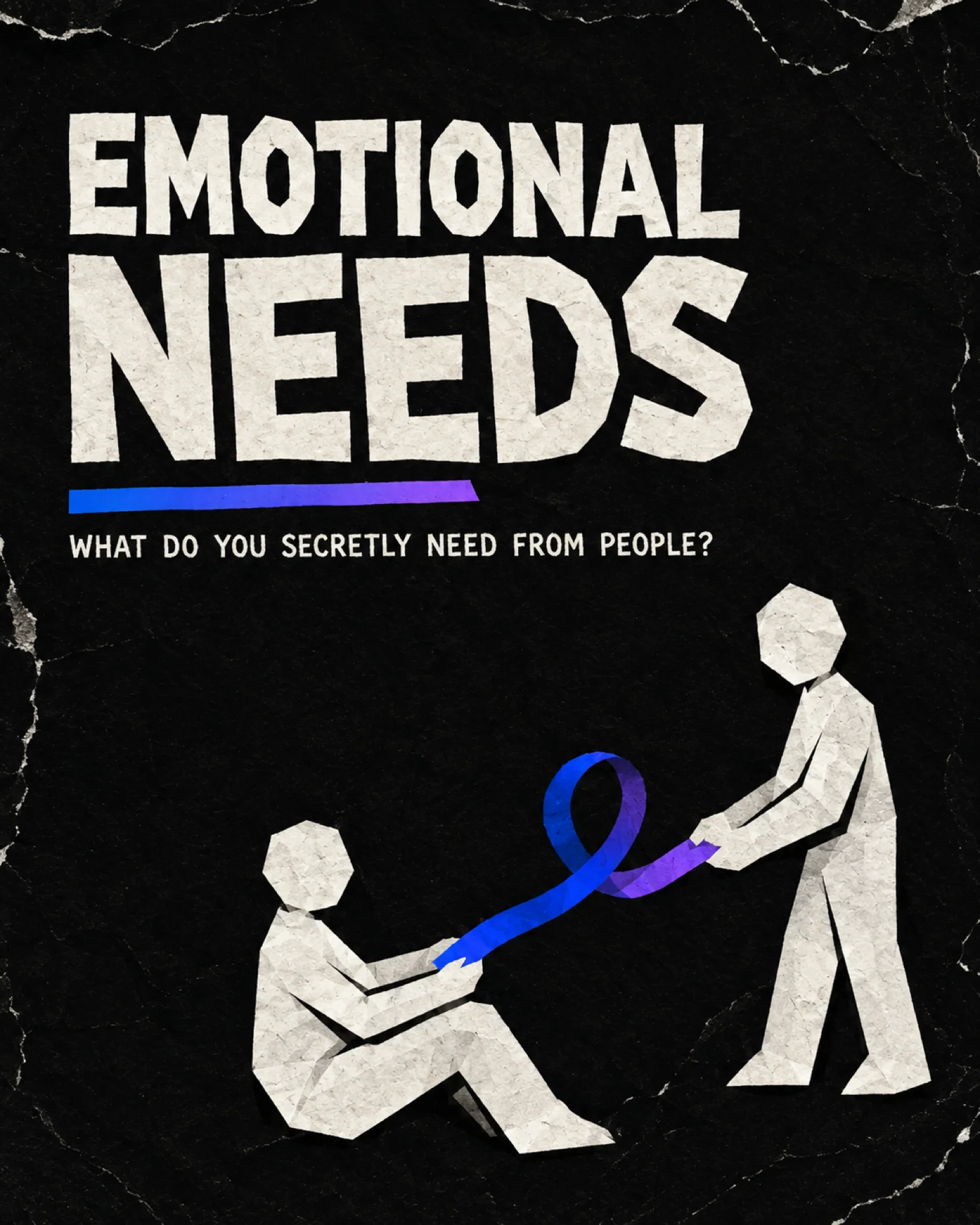
A friend may not be a bad person; their response may simply miss what you needed. Late replies, immediate solutions after you share something difficult, or being left out of important news can all hurt. This is not a test of who is “too sensitive.” It is a way to examine recurring hurt through expectations and support styles, make one clear request, and then decide what distance feels right.
Recurring hurt is not proof of a character flaw or a particular attachment style. Context, capacity, and communication patterns all matter.
Separate facts, interpretations, and feelings
“My friend did not understand me” often contains three layers: fact—you told them about an interview and they offered advice; interpretation—it felt as if your story did not matter; and feeling/need—you were anxious and wanted understanding before solutions. Separating them avoids minimizing your feelings or defining an entire friendship by one moment.
“Did they try to understand me?” can matter more than contact frequency
Perceived responsiveness is the feeling that another person notices, understands, respects, and cares about what matters to you. Frequent contact can still feel lonely; infrequent contact can still feel supportive. It helps to ask whether you need daily messages, or a friend who remembers what you said and checks in later. Feeling understood, validated, and cared for is central to intimacy.
Good advice can still miss the moment
Support is not one thing. It can be emotional support (empathy and listening), informational support (advice and options), or practical support. “You should not take that job” may be reasonable advice; after “I’m scared and not confident,” you may first need “That sounds really hard.” What matters is whether support matches the need.
Turn hurt into a specific request
- Name one moment: “When I told you about my interview…”
- Describe your experience: “Solutions right away made me feel more alone.”
- Ask for a concrete response: “Could you listen first and say it sounds hard before advising?”
- Leave room: “If it is not a good time, we can talk later.”
This is not a test for your friend. It is a conversation about what support feels like for both of you. Do not use reply speed as a relationship score; look at patterns and whether the relationship changes after a need is named.
What do you most need right now?
Choose one: being heard without judgment, help organizing options, practical help, a heads-up when contact is difficult, or respect for your decision. Before asking “What is wrong with my friend?”, ask “What makes me feel understood?” The emotional needs test can be a light starting point for self-reflection.
If a relationship includes ongoing humiliation, control, threats, or isolation—or stress is seriously disrupting daily life—consider speaking with someone you trust or a mental health professional.